A scientific article has been published analyzing the characteristics of Ukrainian and EU-NATO legislation regarding drinking water quality and priority treatment methods
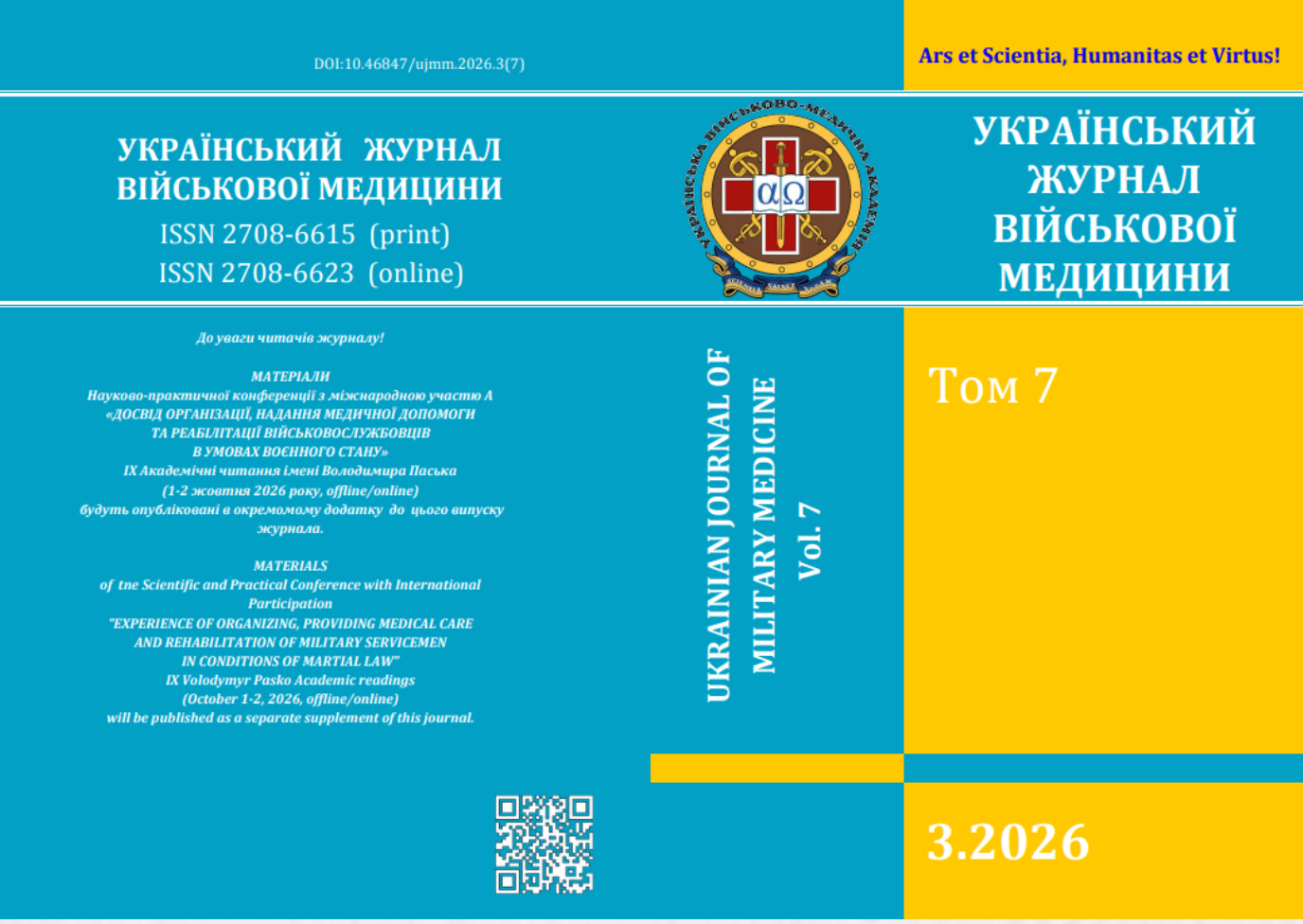
Researchers from the Department of Urban Planning Hygiene and Water Management at the State Institution «Marzieiev Institute for Public Health of the National Academy of Medical Sciences of Ukraine» – Olesia Zorina, Doctor of Biological Sciences and Senior Researcher, and Vadym Galaguz, Researcher – in collaboration with specialists from the Ukrainian Military Medical Academy – Doctor of Medical Sciences, Professor Iryna Ogorodniychuk, Maria Kucher, and Ruslan Kucher – have published an article titled “Analysis of the specifics of legislation in Ukraine and EU-NATO countries regarding drinking water quality and priority treatment methods under martial law” (https://doi.org/10.46847/ujmm.2026.3(7)-059) in the journal Ukrainian Journal of Military Medicine (2026, No. 7(3). 59–66), which is included in the Scopus scientometric database.
The article justifies the need for a comprehensive review of national approaches to monitoring and assessing drinking water quality, taking into account the provisions of Directive (EU) 2020/2184, the requirements of national legislation, and modern principles of human health risk assessment. A promising direction is the harmonization of relevant provisions with the approaches of AMEDP-4.9 and Regulation (EU) No. 528/2012, as well as the development of national regulatory requirements for the hygienic assessment of drinking water and products intended for its treatment, taking into account the specific needs of the Ministry of Defense of Ukraine’s water supply system.
It is noted that under martial law, it is advisable to establish a special set of military-hygienic, construction, and operational requirements that are consistent with national legislation and compatible with relevant NATO standards. This approach should ensure regulatory certainty in matters related to the design and operation of critical infrastructure facilities and help enhance their adaptability and resilience to the effects of hostilities and emergencies.
(date of publication on the website: 05.10.2026)