Regulation of Health and Safety Criteria for the Use of Fertilizers in Soil Remediation
Soil is one of the most important elements of the biosphere, determining human living conditions. It serves as a universal biological filter and neutralizer of many types of anthropogenic pollution.
Soil is not only a means for agricultural production; it is the foundation of the ecosystem that makes agriculture possible in the first place. Therefore, healthy soil biodiversity is critically important for soil fertility, moisture content, surface water quality, and climate stability – all prerequisites for sustainable agriculture. There are over 38 types of soil in Ukraine, of which the most fertile are chernozems.
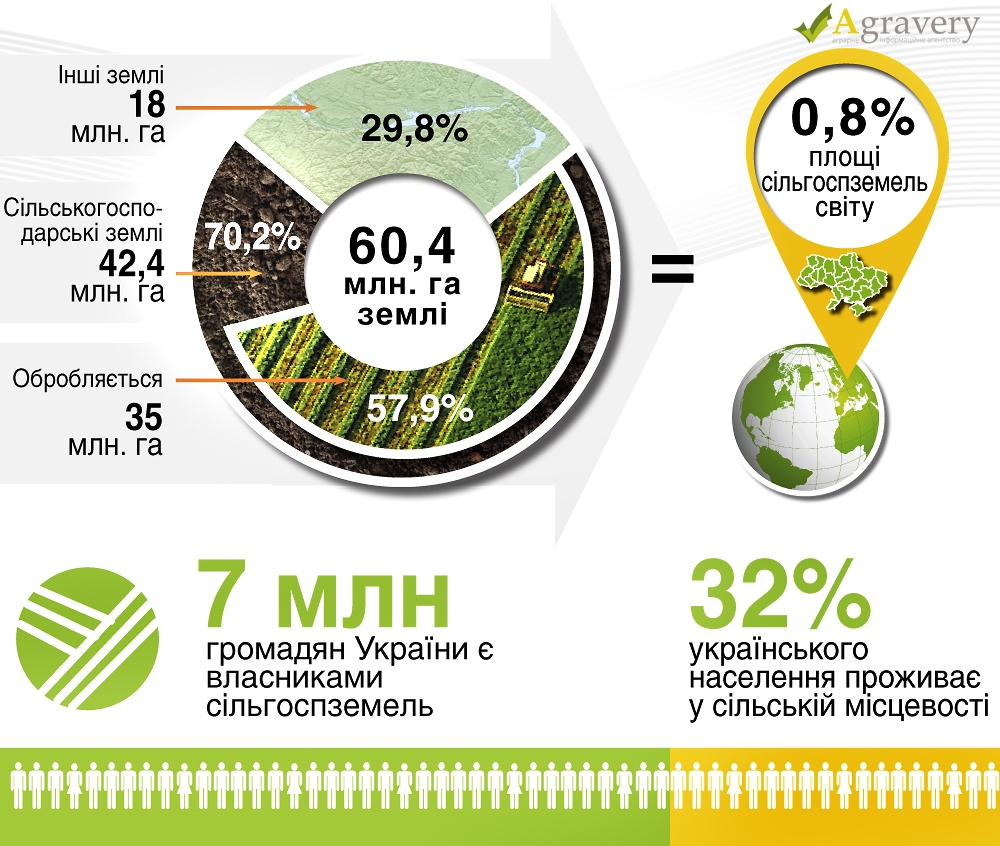
The war has caused significant damage to soils, particularly to agricultural lands, which account for nearly 70% of the country’s total land area, 78.9% of which is arable land. Prior to the full-scale invasion, the level of land cultivation in Ukraine reached 53%, one of the highest rates in the world.
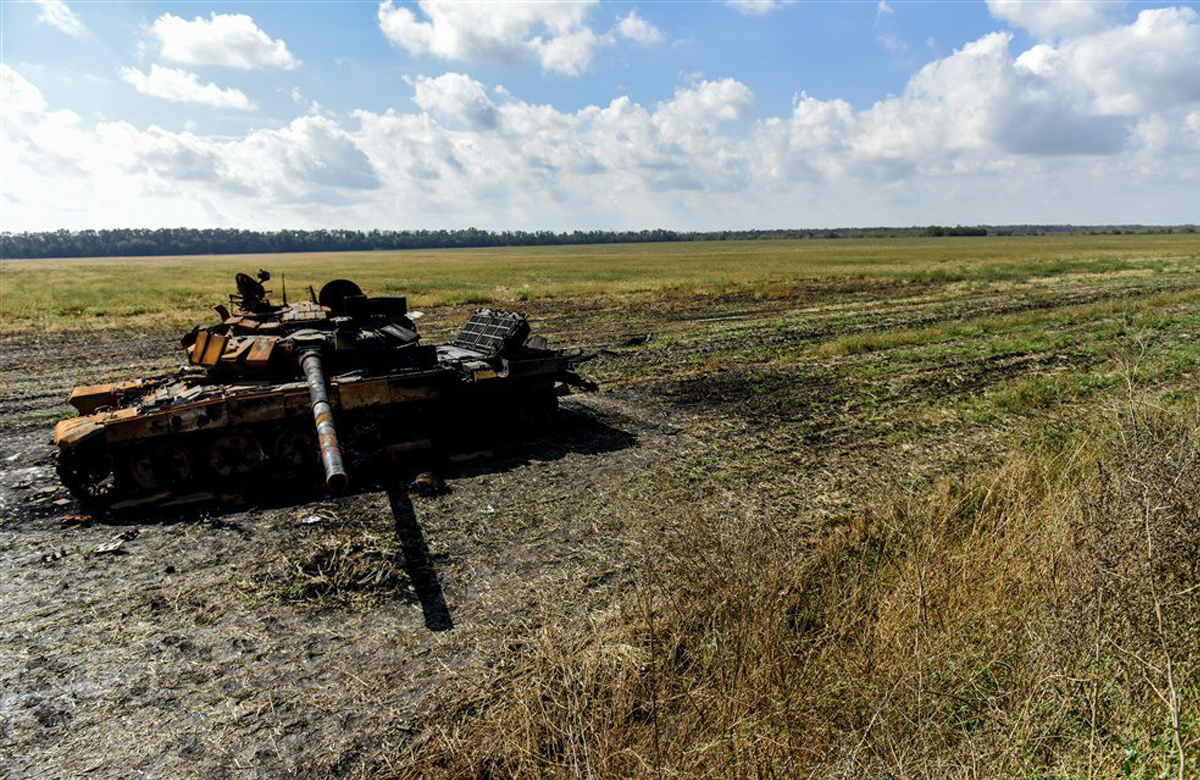
According to estimates by the Food and Agriculture Organization of the United Nations, the amount of significantly degraded agricultural land in Ukraine has increased by 13% during the war. A significant percentage is at risk of degradation. Due to the war, hundreds of hectares of Ukraine’s land fund are littered with waste, contaminated with harmful substances – including heavy metals released during explosions – and cause damage to the soil structure. Given the urgency of the issue, the Laboratory of Soil and Waste Hygiene at the State Institution «Marzieiev Institute for Public Health of the National Academy of Medical Sciences of Ukraine» is carrying out research titled «Justification of Sanitary and Epidemiological Criteria for the Safe Use of Fertilizers in Soil Restoration in Accordance with European Union Requirements»ß (State Registration No. 0123U104619).
Based on the results of scientific studies evaluating the characteristics of various types of fertilizers and the specifics of their impact on soil, it has been established that, by all accounts, organic fertilizers (organic, organo-mineral fertilizers, and organic soil conditioners) are more suitable for the restoration of degraded soils and, in the long term, should replace traditional mineral fertilizers and protect the environment. The use of organic fertilizers helps restore soil structure, counteracts soil depletion and chemical contamination, and restores fertility. Recycling organic materials into the soil is considered in most cases the best environmental approach, allowing for the closure of natural nutrient and carbon cycles. Organic materials, which are a valuable source of organic matter, promote soil water retention, facilitate mechanical tillage, and enhance soil resistance to erosion, among other benefits. The European Commission’s Action Plan for the Circular Economy strongly encourages the use of organic fertilizers in EU agriculture. It is projected that fertilizers derived from recycled organic waste will account for 30% of all fertilizers in the EU in the near future.
In the context of the postwar restoration of Ukraine’s agricultural landscapes, the properties of fertilizers are of particular importance not only as a source of nutrients but also as detoxification agents. Organic and organo-mineral preparations are capable of binding toxic compounds, reducing their mobility in the soil, and promoting the restoration of the humus layer. Summary toxicometric data confirm that the studied organic and organo-mineral fertilizers are environmentally safe and suitable for use in Ukraine’s sustainable agriculture systems, providing both agrochemical and remediation effects, which makes them a key element of the strategy for restoring soil fertility in the post-war period.
Thus, organic fertilizers are more effective for restoring soil structure and humus balance, but are accompanied by higher microbiological and bioaccumulation risks. Organo-mineral fertilizers provide a more stable toxicological profile, reduce the risk of nitrate intoxication, and promote increased mineral metabolism in animals. Given the above, the optimal strategy is the combined use of organic and organo-mineral fertilizers with control over their composition and regional adaptation, which will ensure both environmental safety and effective restoration of soil fertility in the post-war period.
Organic fertilizers include organic compounds of animal, plant, industrial, and domestic origin that have varying degrees of decomposition. Most organic materials, which serve as the primary raw material for fertilizer production, are bio-waste. Thus, the use of organic fertilizers will simultaneously address the issue of waste disposal. Thus, the use of organic and organo-mineral fertilizers and soil-improving mixtures will benefit both the environment and agriculture, as improved soil quality will contribute to better conditions for plant growth and the nutritional value of crops, as well as increased yields on a long-term, sustainable basis.
Given the availability of many types of organic waste suitable for use as raw materials for fertilizer production, there is a need for clear regulation of both the primary raw materials themselves – in terms of type and composition – and the requirements for the technological approaches to their processing (treatment), which will ultimately determine the final product’s key physical and chemical indicators and quality.
In accordance with European requirements, the Seventh Environment Action Program (2014-2020) provides for: mandatory legal frameworks for soil protection and the establishment of a pan-European standard for the content of harmful substances in fertilizers, along with controls on their circulation. In implementing EU legislation, Ukraine is adopting corresponding approaches. Among all the characteristics indicating a potential negative impact of organic fertilizers during their use, the following quantitative indicators are subject to mandatory regulation: organic carbon content (Corg ), major nutrients (N, P2O5 and K2O), pollutants (Cd, Cr(IV), Hg, Ni, Pb, As, C2H5N3O2, Cu, and Zn), and pathogens (Salmonella spp., Escherichia coli, or Enterococcaceae) must be regulated when these products are used. This will ensure that there is no excessive soil contamination and that regulatory limits are not exceeded in the agricultural products grown. In this context, the laboratory’s specialists are developing a national regulatory document on the content of harmful substances in fertilizers in accordance with Regulation (EU) No. 2019/1009 of the European Parliament and of the Council dated June 5, 2019.
Given the post-war contamination of Ukrainian agricultural landscapes, organic and organo-mineral fertilizers that meet established regulatory standards will serve a dual purpose: providing plants with nutrients and promoting soil detoxification through the presence of natural sorbents.
Head of the Laboratory of Soil and Waste Hygiene,
Doctor of Medical Sciences,
Valerii STANKEVYCH
State Institution «Marzieiev Institute for Public Health of the National Academy of Medical Sciences of Ukraine»
(date of publication on the website: 11.03.2026)